
I can’t be the only one...
How ‘distributed communities’ create new musical genres

I just finished this book. It’s written by Glenn mcdonald a former Spotify Data Architect. In the book, he explains the thinking that informs the UX and algorithmic system of Spotify.
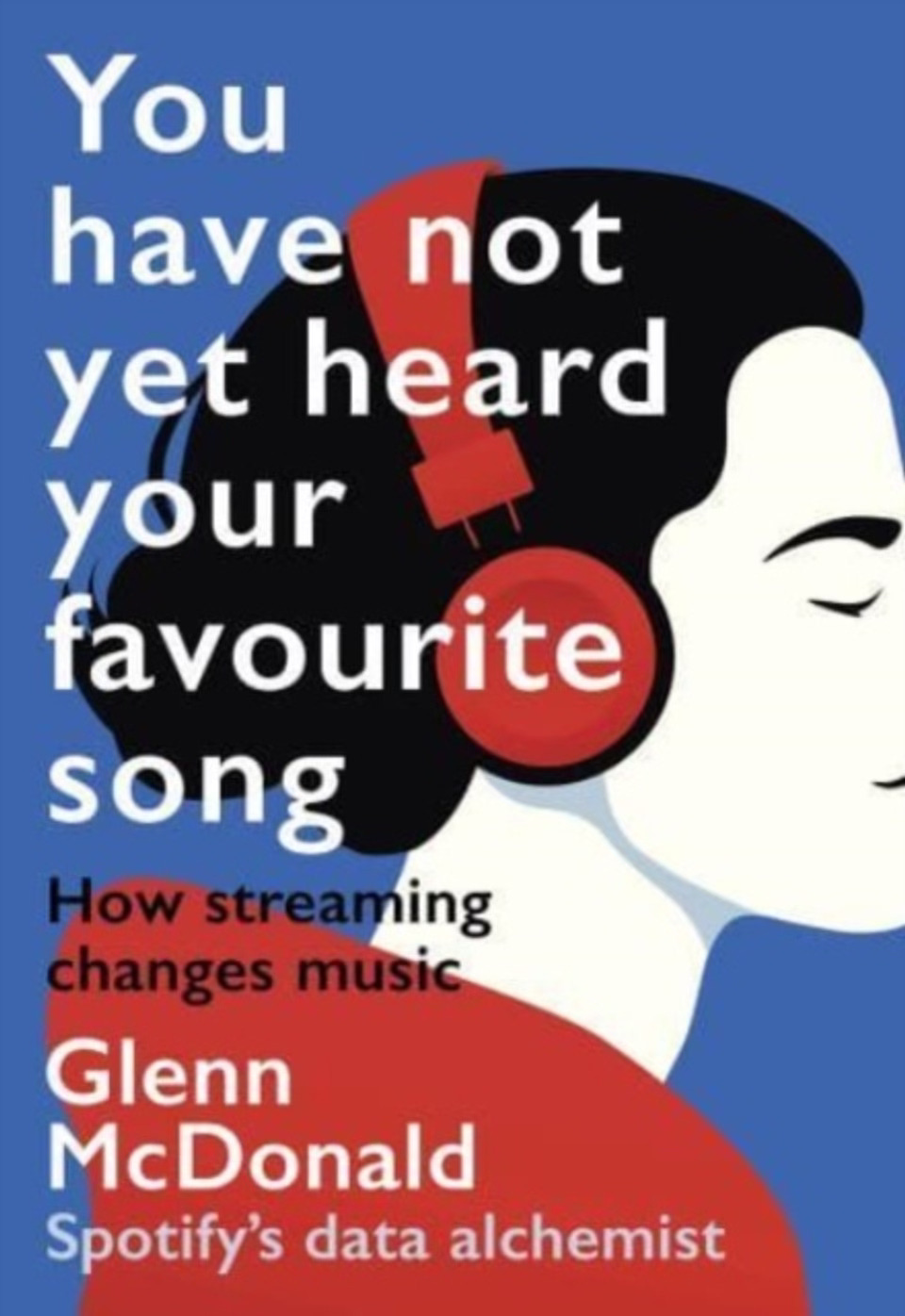
‘You Have Not Yet Heard Your Favourite Song’ digs into the evolution of the Spotify platform. It examines the impact it has had on music, from the decline of the album to TikTok and Instagram’s role as places to discover new music.
One of the things McDonald writes about that I liked a lot was the way Spotify defines genres as distributed communities and how this informs the platform’s algorithm. McDonald views the evolution of these distributed communities (AKA ‘genres’) as a very viral phenomenon and shows how the creators as well as the audience are a key part of that distributed community.
Here’s how he breaks down the evolution of a genre:
1. An artist is dissatisfied by the status quo and produces something as a counter to the prevailing culture.
2. Other artists that are also dissatisfied with the status quo join in. A common ground is established.
3. The common ground starts to get noticed and someone gives the new thing a name.
4. Now artists are self-consciously creating music as part of this new thing with a name.
5. A genre is born.
Theory is one thing, but what real-life examples of this can we find? There are lots of genres we could turn to, but Punk is probably as good as any.
Punk Rock is a classic pre-digital illustration of a distributed community rebelling against a stale cultural and musical status quo. It was born in the 1970s during economic stagnation, social unrest, and frustration with bloated mainstream rock. The optimism of the 1960s had curdled into overproduction, excess, and pretension. The time was ripe for change. This dissatisfaction gave rise to a new movement that emerged from underground clubs, fanzines, and garages. Glen McDonald’s theory of genres identifies a creator-audience feedback loop which drove the emergence of punk rock. Let’s break it down.
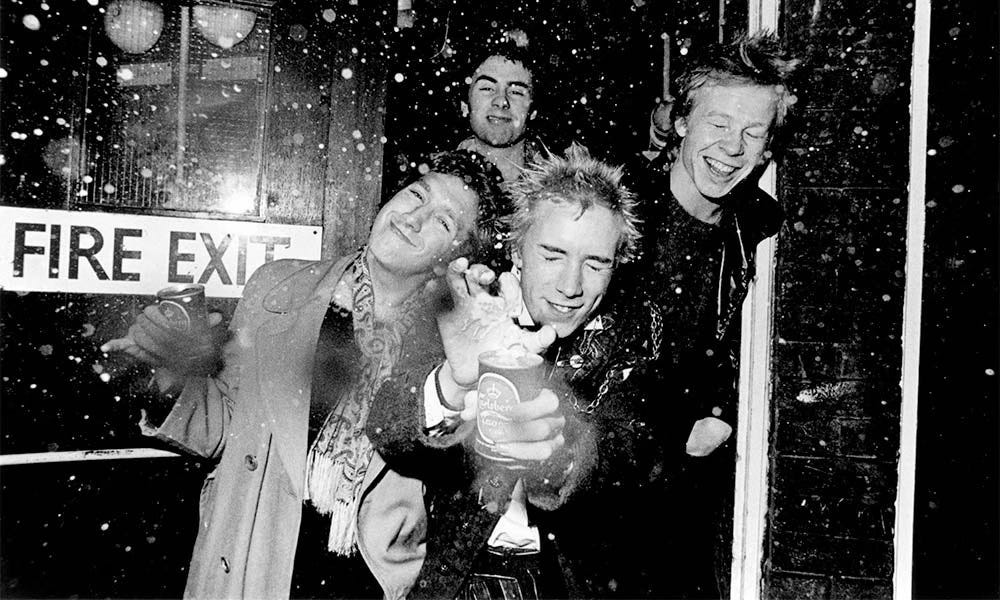
An artist is dissatisfied by the status quo and produces something as a counter to the prevailing culture: In the early 1970s some musicians were becoming tired and jaded with what they saw as the dominant musical culture of overblown progressive rock, out of touch stadium concerts, and pretentious glam rock. In reaction to this stale scene, proto-punk acts like the Stooges (led by Iggy Pop), and the New York Dolls stripped the music back to rock’s raw and aggressive roots.
Other artists that are also dissatisfied with the status quo join in. A common ground is established: Words soon spread. Like a match thrown into a box of dry tinder, the fire grows. New York CBGB club became a Mecca for bands like Television, Patti Smith, and the Ramones. The flame was carried over sea to London groups like the Sex Pistols, The Clash, and the Buzzcocks, who created their own version of punk fuelled by a shared anti-establishment rage.
The common ground starts to get noticed and someone gives the new thing a name: By 1975–1976, the term “punk rock”—already used loosely in the early ‘70s for 1960s garage revivals—stuck. New York’s Punk magazine (launched 1975) and UK press coverage of CBGB acts helped codify it. The Sex Pistols’ provocative antics and singles like “Anarchy in the U.K.” (November 1976) brought fame and notoriety, while fanzines and media scandals turned “punk” into a recognizable label for a radical movement of rebellion.
Now artists are self-consciously creating music as part of this new thing with a name: Once named, bands leaned in hard. The Ramones’ 1976 self-titled debut set the blueprint: three chords, under-two-minute songs, leather jackets, and sneering delivery. In the UK, the Sex Pistols’ Never Mind the Bollocks (1977), the Clash’s politically charged tracks, and the Damned’s fast releases explicitly embraced “punk” as an identity—complete with slogans like “This is a chord, this is another, this is a third. Now form a band” from the Sideburns fanzine.
A genre is born: By 1977–1978, punk had solidified globally as a cultural force, spawning subgenres like hardcore, post-punk, and anarcho-punk through independent labels, local scenes, and fan networks. Its distributed community—creators, audiences, zine writers, and club-goers—co-evolved it virally, long before algorithms mapped such clusters.
This theory points to new genres arising from the streets not from the boardrooms. Grass-root rebellions born out of frustration with what’s on offer. The call for change is then returned by others who feel the same way but had assumed they were the only ones. Pretty soon the momentum is undeniable until the new thing becomes the status quo.
Then the wheel turns again.